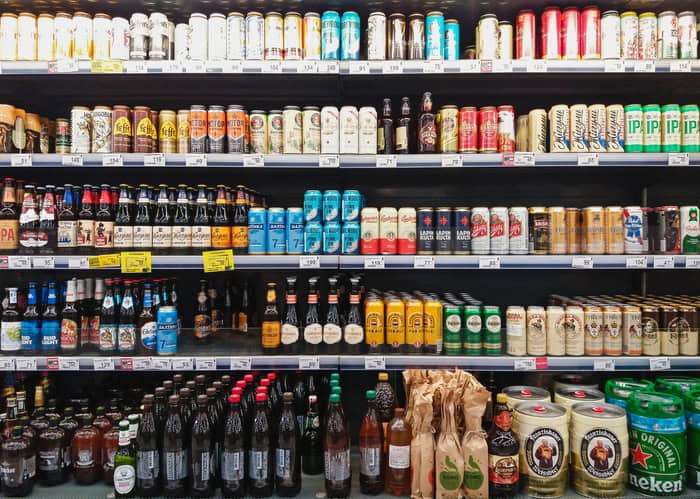
Alcohol demand is changing, and many distributors are beginning to see the impact in their inventory. Products that once moved predictably are now sitting longer, sell-through timelines are extending, and inventory that used to turn quickly is lingering across warehouses and portfolios. In many cases, the shift is gradual, but over time it creates a widening disconnect between how inventory is planned and how it actually moves.
This is not simply a short-term fluctuation. It reflects a larger reset in alcohol demand, and it is introducing new forms of inventory risk that many distributors are not fully equipped to manage.
For years, alcohol demand followed relatively stable patterns. Growth across premium categories, consistent consumption trends, and predictable replenishment cycles made it easier to plan inventory with confidence. Today, that stability is beginning to erode. Consumption patterns are shifting, particularly among younger consumers, as moderation trends, changing social behaviors, and increased competition from alternative beverages begin to influence how and what people drink. At the same time, preferences are moving more quickly between categories, brands, and product types, making it harder to rely on historical patterns as a guide.
For distributors, this creates a more uncertain planning environment. Forecasts based on past shipments become less reliable, and inventory decisions that once felt low-risk begin to carry greater exposure.
Inventory Is Taking Longer to Move
One of the clearest indicators of this shift is time. Wine, spirits, and beer are all taking longer to sell through, extending the amount of time inventory remains in the system. While overall inventory levels may still appear reasonable on the surface, the underlying dynamics are changing.
As sell-through slows, inventory begins to age. This ties up working capital, reduces flexibility, and increases the likelihood of discounting or write-downs. These risks are not always immediately visible in traditional metrics, but they accumulate over time as inventory lingers longer than expected.
At the same time, beverage portfolios are becoming more complex. Distributors are managing an expanding range of SKUs driven by new product introductions, line extensions, imports, and private labels. While this growth creates opportunity, it also fragments demand. Instead of a smaller set of predictable products, demand is now spread across a larger portfolio, with each item carrying less consistent velocity. Some products gain traction quickly, others stall, and many fluctuate in ways that are difficult to anticipate.
This makes it harder to position inventory correctly. Even when total inventory levels appear appropriate, the mix may be misaligned, with too much of the wrong product and not enough of what is actually moving.
Purchasing practices are also contributing to the issue. Forward-buy deals and supplier incentives remain central to beverage distribution, often requiring distributors to commit to inventory months in advance to secure pricing or allocations. In a stable demand environment, this approach works well. In a shifting one, it introduces risk, as inventory decisions made based on past demand assumptions are now arriving into a different reality.
Once that inventory is committed, options to adjust are limited. This creates a lag between decision and outcome, where changes in demand are only visible after inventory has already been purchased and received.
A Gradual Increase in Inventory Risk
Taken together, these dynamics are reshaping how inventory behaves across beverage distribution. Demand is less predictable, products take longer to move, portfolios are more complex, and purchasing decisions are locked in earlier. The result is not always immediate overstock, but a gradual increase in inventory exposure.
Distributors find themselves carrying more inventory for longer periods of time, often without clear visibility into where risk is building or how quickly conditions are changing. Planning becomes more reactive, buyers make additional adjustments to protect service levels, and inventory increases without necessarily improving performance.
The challenge is not simply that demand is slowing. It is that the relationship between demand and inventory is changing in ways that traditional planning approaches struggle to capture. Systems built on historical shipments and static assumptions reflect what has already happened, not what is evolving.
To adapt, distributors will need greater visibility into how inventory is actually moving over time. This includes understanding not just how much inventory they have, but how long it is likely to remain in the system and where demand signals are strengthening or weakening. In this environment, the ability to identify emerging risk earlier and adjust decisions before exposure builds will become increasingly important.
The alcohol demand reset is already underway. For distributors, the question is not whether demand will return to previous patterns, but how quickly planning approaches can evolve to keep pace with what comes next.
What This Means Going Forward
The challenge is not simply that demand is slowing. It is that the relationship between demand and inventory is changing in ways that traditional planning approaches struggle to capture. Systems built on historical shipments and static assumptions reflect what has already happened, not what is evolving.
To adapt, distributors will need greater visibility into how inventory is actually moving over time. This includes understanding not just how much inventory they have, but how long it is likely to remain in the system and where demand signals are strengthening or weakening.
In this environment, the ability to identify emerging risk earlier, monitor inventory duration, and adjust decisions before exposure builds will become increasingly important. The alcohol demand reset is already underway, and distributors that adapt their planning approaches will be better positioned to manage risk as conditions continue to evolve.