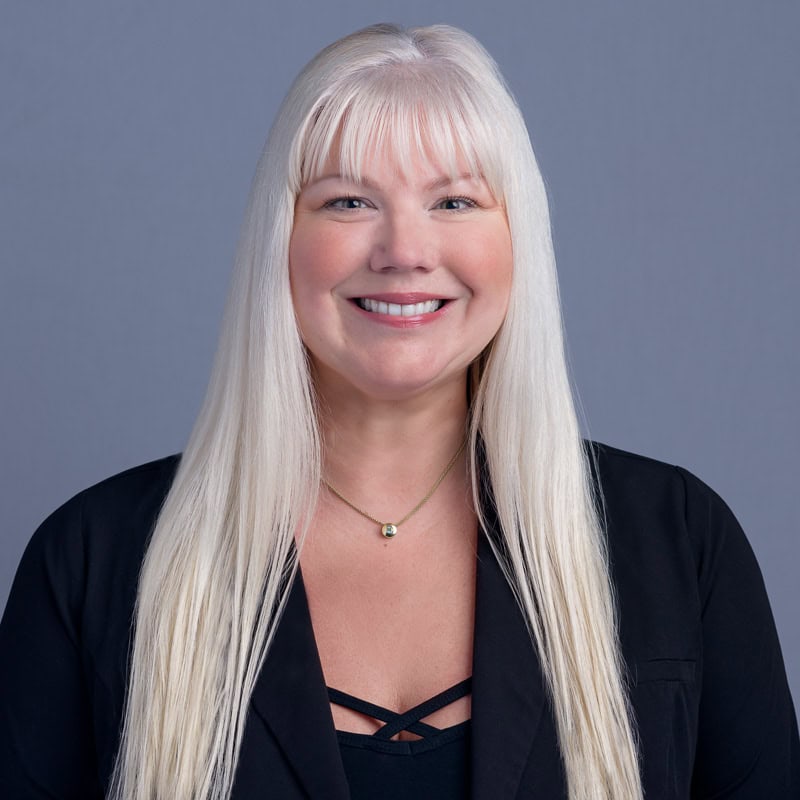
When Robert Hensley, Product Manager at West Virginia Electric Supply walks into the office each morning, he knows exactly how his day will start, and more importantly, how it won’t. Before Blue Ridge, the first three or four hours of his day disappeared into a maze of spreadsheets, Eclipse screens, and guesswork.
Now? He spends about 90 minutes reviewing what needs attention, and by 9:00 AM, he’s already working on something that moves the business forward.
That shift didn’t happen overnight. It began with a hard realization: the company wasn’t struggling because people weren’t doing their jobs, it was struggling because they were doing their jobs with the wrong tools.
The Weight of a Growing Operation
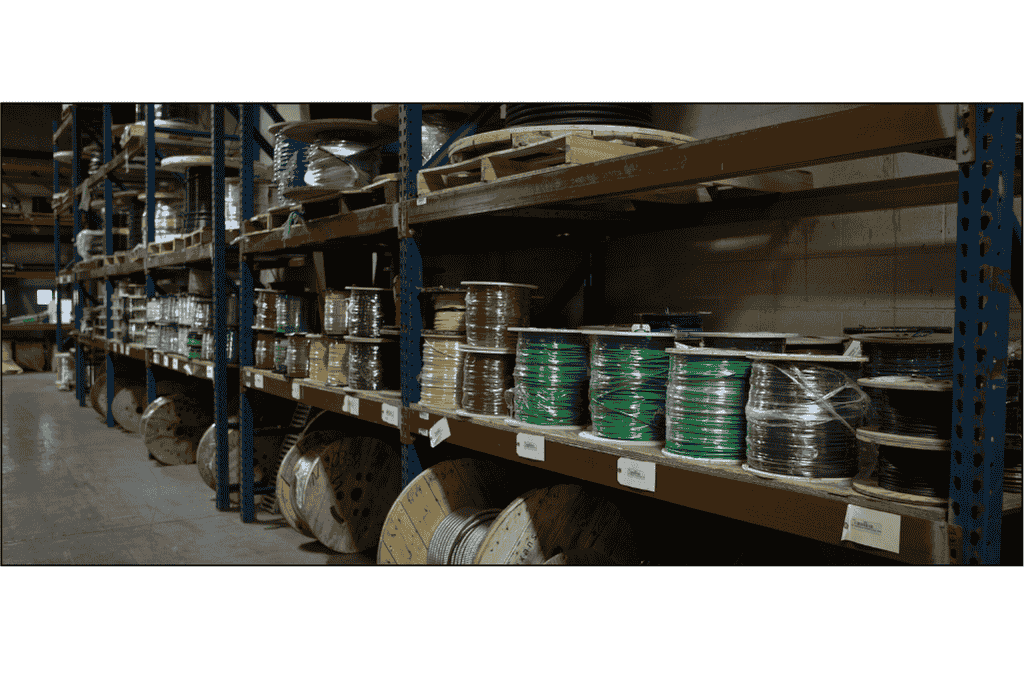
West Virginia Electric Supply is the kind of company customers trust without thinking. Eight branches, deep product expertise, decades of serving contractors and industrial clients across the region. From the outside, the business looked rock-solid. Inside, though, the challenges were mounting.
Each branch managed its own inventory. Some adjusted reorder points based on instinct. Others inherited parameters that hadn’t been touched in years. Transfers happened constantly without a unifying strategy. And while Eclipse offered basic forecasting, no one believed it could truly keep up with the company’s growing complexity.
“Our ERP had forecasting, I’ll call it forecasting because that’s what they call it,” Robert says with a laugh. “It wasn’t great, but it was functional.” Functional was no longer enough.
Dead stock, more than $1 million worth, collected quietly in corners of the business. Buyers couldn’t see demand patterns clearly. And every day, Robert sank into the same routine of manual reviews, moving line by line through SKUs just to make sure nothing slipped.
The work was heavy. The results were unpredictable. And leadership could feel the company’s growth pressing against a ceiling they hadn’t built but could no longer ignore.
The Moment Everything Shifted
The search for a solution wasn’t dramatic. No major crisis, no customer loss. Just a conversation with a distributor who’d faced the same challenges and had come out on the other side.
The part that stuck wasn’t a statistic. It was a story. A product manager told them he “would wake up in the middle of the night because the inventory numbers were dropping so fast.”
Not from fear. From relief. “That was the moment we realized,” says VP of Operations David Mays, “If they can get that kind of impact, so can we.”

Overview
- Company: WV Electric Supply
- Vertical: Electrical Distribution
- ERP: Eclipse
- Warehouse locations: 8
- Blue Ridge Modules: Forecasting, Replenishment
Challenges
- Decentralized purchasing
- Outdated forecasting
- 3–4 hrs/day manual buying
- $1M+ dead stock
Solution
- Centralized planning
- Branch-level demand accuracy
- Exception-based workflow
- Ongoing advisory
Results
- 70–80% less dead stock
- 20% lower inventory
- 24% GMROI lift
- 37% more turns
- Buying time cut in half
- Service level → 96.3%
The team wasn’t looking for fancy dashboards or flashy tech. They wanted clarity. Control. A way to make decisions based on real demand, not habit.
Learning a New Language of Inventory
If you ask Robert what the hardest part of the transition was, he won’t talk about training or process change. He’ll talk about the mental shift. “For years I thought of an item as one SKU,” he says. “Blue Ridge made me realize it’s actually eight SKUs, each with its own behavior. That was a big leap.”
Branch managers felt the change too. They’d been used to calling the shots. Letting a system take the wheel wasn’t easy. But something interesting happened as the weeks went on: skeptics became believers.
The forecasts made sense. Transfers dropped. Stockouts eased. And decisions became grounded in facts rather than intuition.
”Our ERP had forecasting, I’ll call it forecasting because that’s what they call it,” Robert says with a laugh. “It wasn’t great, but it was functional.
Robert HensleyProduct Manager at West Virginia Electric Supply
David puts it simply: “Centralizing inventory was tough at first. But Blue Ridge made it easy to adjust and let the data guide decisions.” With a clearer view of consumption, lead times, and branch-level patterns, purchasing evolved from a daily firefight into a predictable, exception-driven workflow. And with Blue Ridge’s team offering hands-on guidance, the implementation felt more like coaching than setup.
“Their support has been top-notch,” David Mays, VP Operations, West Virginia Electric Supply says. “We learned a lot, and fast.”
Four Years Later, It’s Still Paying Off
Most software stories peak in the first six months. This one kept building.
- Dead stock plummeted, 70–80% gone, translating to major cost savings and improved cash flow.
- Service levels rose to 96.3%, fill rate improved and customer satisfaction grew.
- Inventory fell nearly 20% while profitability surged, higher GMROI (up 24%), faster turns, and stronger cash flow.
*All figures are key metric averages over four years. These aren’t one-time gains. Four years later, the improvements continue compounding.
Plus, the team finally gained scalability: quick training, easy coverage, and far less operational strain.
”Centralizing inventory was tough at first. But Blue Ridge made it easy to adjust and let the data guide decisions
David MaysVP of Operations, West Virginia Electric Supply
And the biggest win? Confidence. For the first time in years, West Virginia Electric Supply knew their inventory was working for them, not against them. Robert no longer spends mornings buried in spreadsheets. David no longer worries that stock is sitting in the wrong corner of the business. Training new staff is easier. Vacation coverage is seamless. Branches trust the process.
”The goal wasn’t to just reduce inventory, he says. It was to have what we need, when we need it, for our customers.
David MaysVP Operations, West Virginia Electric Supply
The transformation is so embedded now that it’s easy to forget what life was like before. But when David is asked to sum it up, he doesn’t talk about metrics: “The goal wasn’t to just reduce inventory,” he says. “It was to have what we need, when we need it, for our customers. And that’s exactly what Blue Ridge helped us do.”
Four years in, the company is still gaining traction, still improving, still finding new efficiencies, still expanding what’s possible.
The final takeaway isn’t a number or a ratio. It’s a question David now poses to other distributors: “How much longer can you afford to wait?”